What actually arrived in 2026
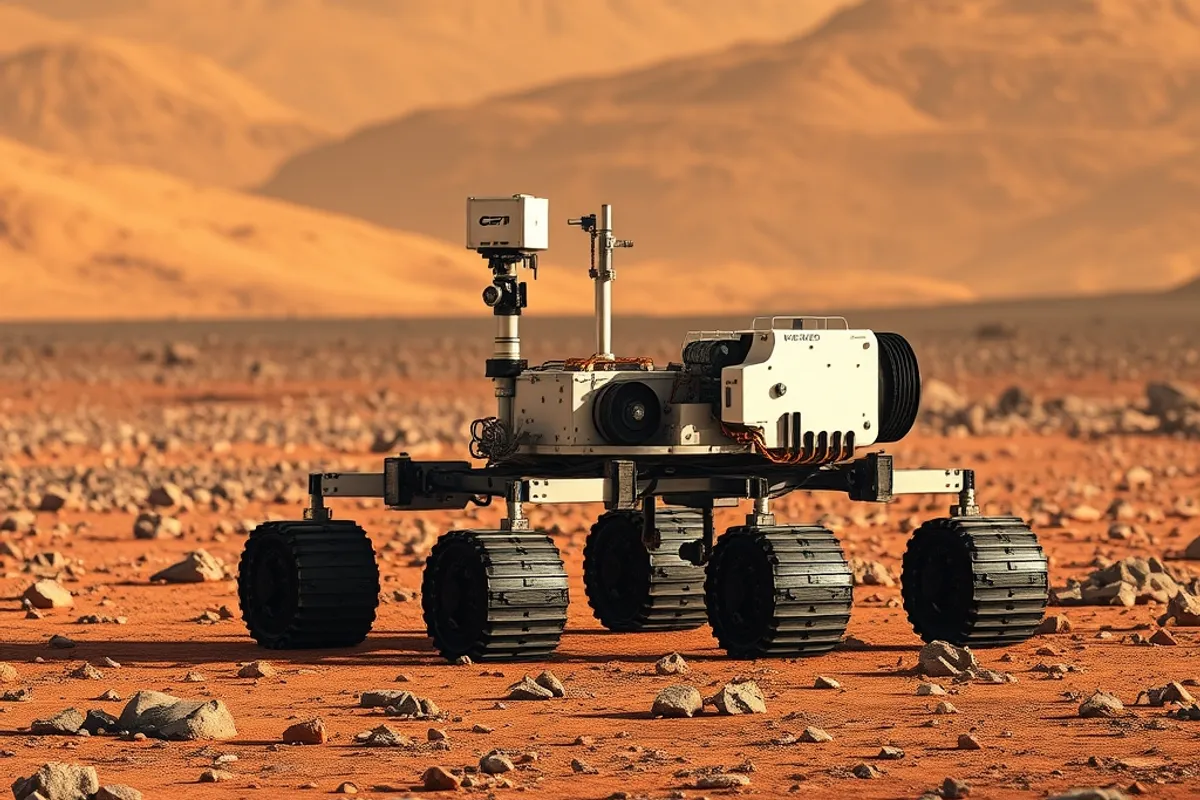
The year produced more data rather than a single dramatic discovery. Orbiters refined maps of hydrated minerals, while surface robots added detail about layered rock and dust. NASA and other space agencies publish the raw returns, which is where the real story sits.
We reviewed mission updates against the published NASA archives and international mission pages. Press images are useful, but the instrument tables carry the evidence.
Water-related minerals are the clue
Clays and salts form in the presence of water. Finding them tells scientists where water once lingered, for how long and under what chemistry. It does not mean a lake is still there.
The careful phrasing matters. A report that says ancient water altered a rock is making a different claim from one that suggests present-day water. Both can be useful, but only one is supported by the mineral reading.
Images need context
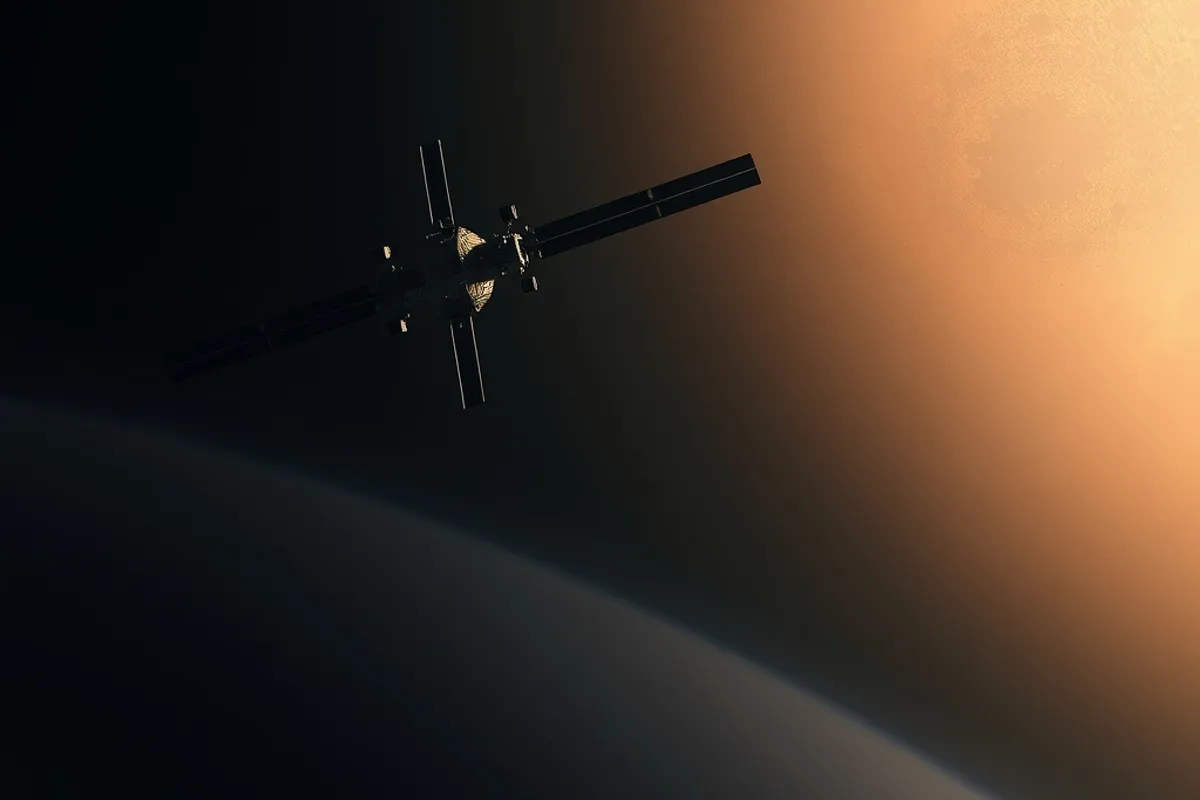
Sharper cameras produced striking terrain, but an image alone cannot date a layer or measure a mineral. Geologists read images together with spectral data and the surrounding stratigraphy.
| Data type | Question it answers | Limit |
|---|---|---|
| Orbital imagery | Shape and layout of terrain | Surface detail only |
| Spectra | Likely minerals | Mixed signals in dust |
| Surface drills | Layer sequence | Small samples |
| Weather sensors | Daily conditions | Short local record |
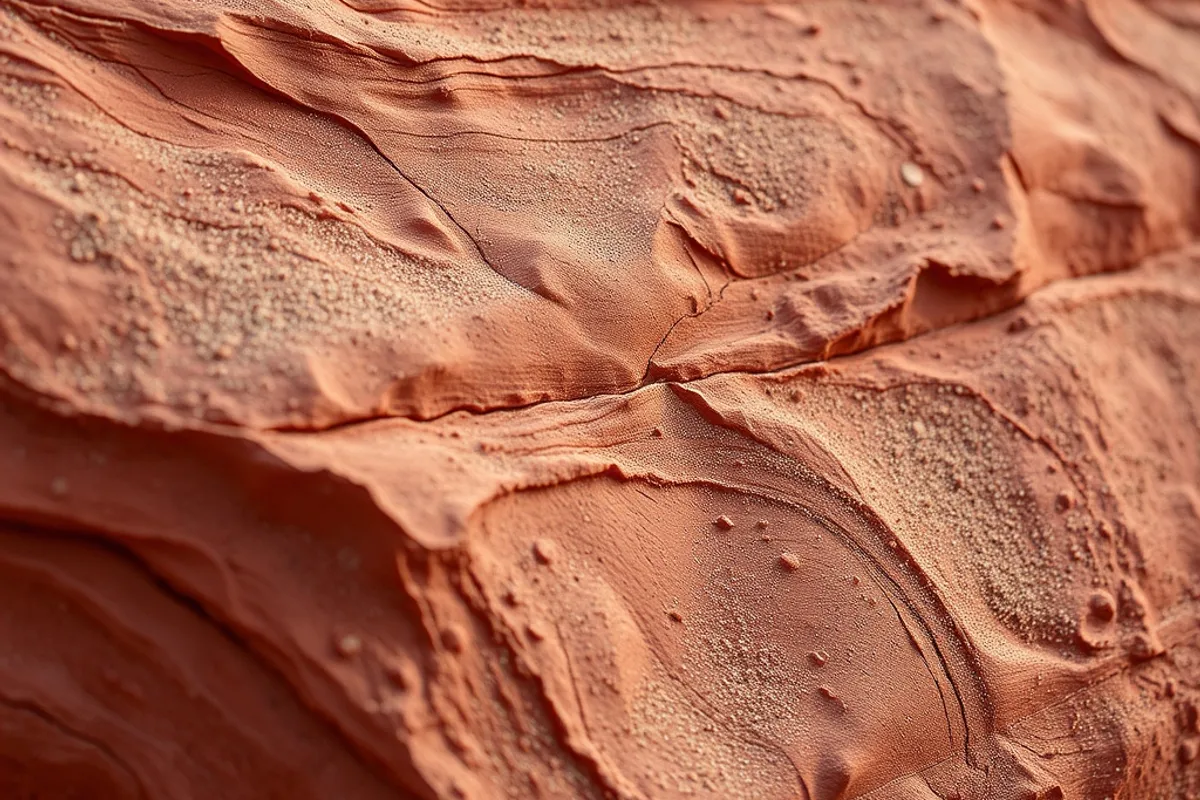
A rock on Mars is not a headline. It is a clue that only makes sense beside the rest of the sample.
Why sample return matters
Instruments on Mars can do a lot, but a laboratory on Earth can ask better questions of a rock. Returning a sealed sample would let many teams test the same material with different tools over many years.
That is the scientific case. The engineering case is harder: launching from Mars, keeping the sample clean and surviving the trip home are all unsolved at the required scale.
Robots have bad days too
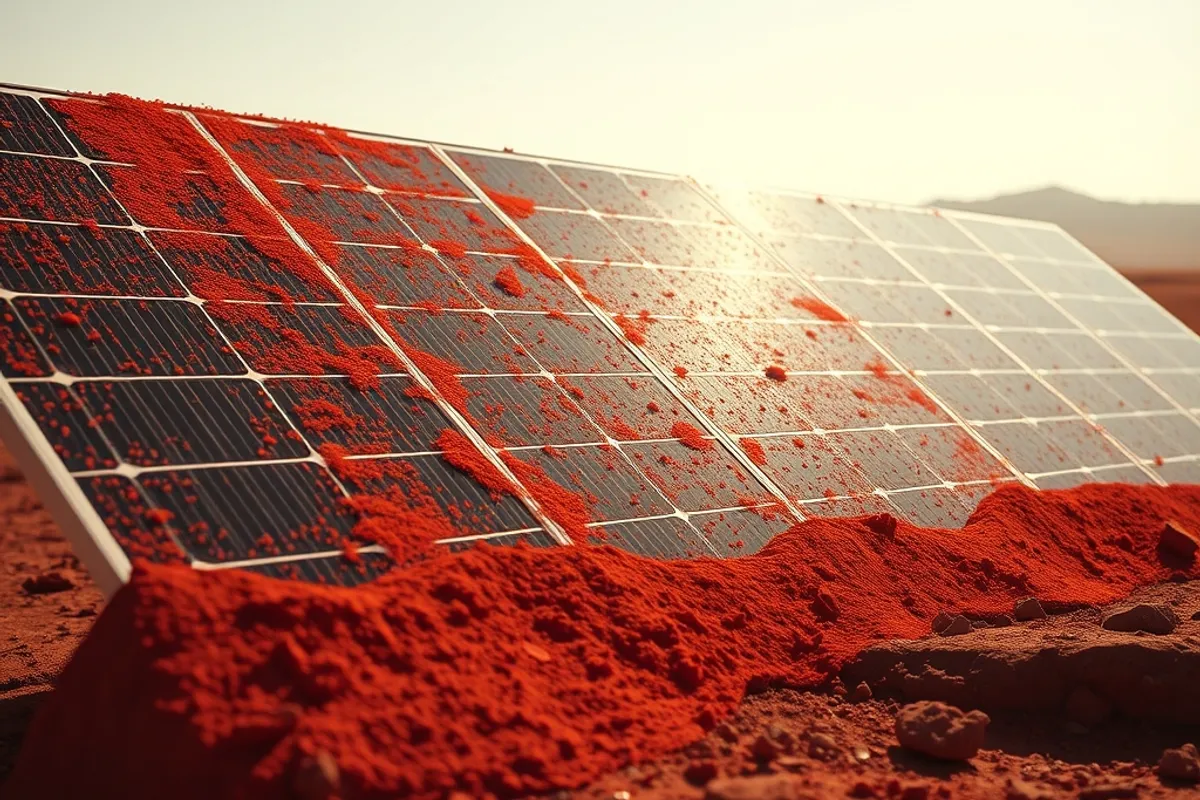
Dust covers solar panels, winter reduces power and communications windows are short. A rover may spend weeks waiting out conditions rather than driving. These constraints shape the pace of discovery more than the science plan does.
Mission teams plan around them with conservative schedules. That is why a delayed traverse is normal and not a sign that an instrument has failed.

What the data does not say
Nothing returned in 2026 confirms present life on Mars. The strongest claims remain about past environments where water and chemistry could have supported it. Separating those two ideas is essential to reading the story honestly.
The same discipline applies to climate figures on Earth. Our climate reporting guide uses the same test: what was measured, over what period and with which method.
The long view
Mars science advances in layers. A map refines a target, a rover tests a layer, and a sample might one day settle a question that began decades ago. The pace looks slow only if you expect a single dramatic answer.
For now, the best approach is to read the mission log rather than the caption. The data is more interesting than the hype, and it is available to anyone willing to look.