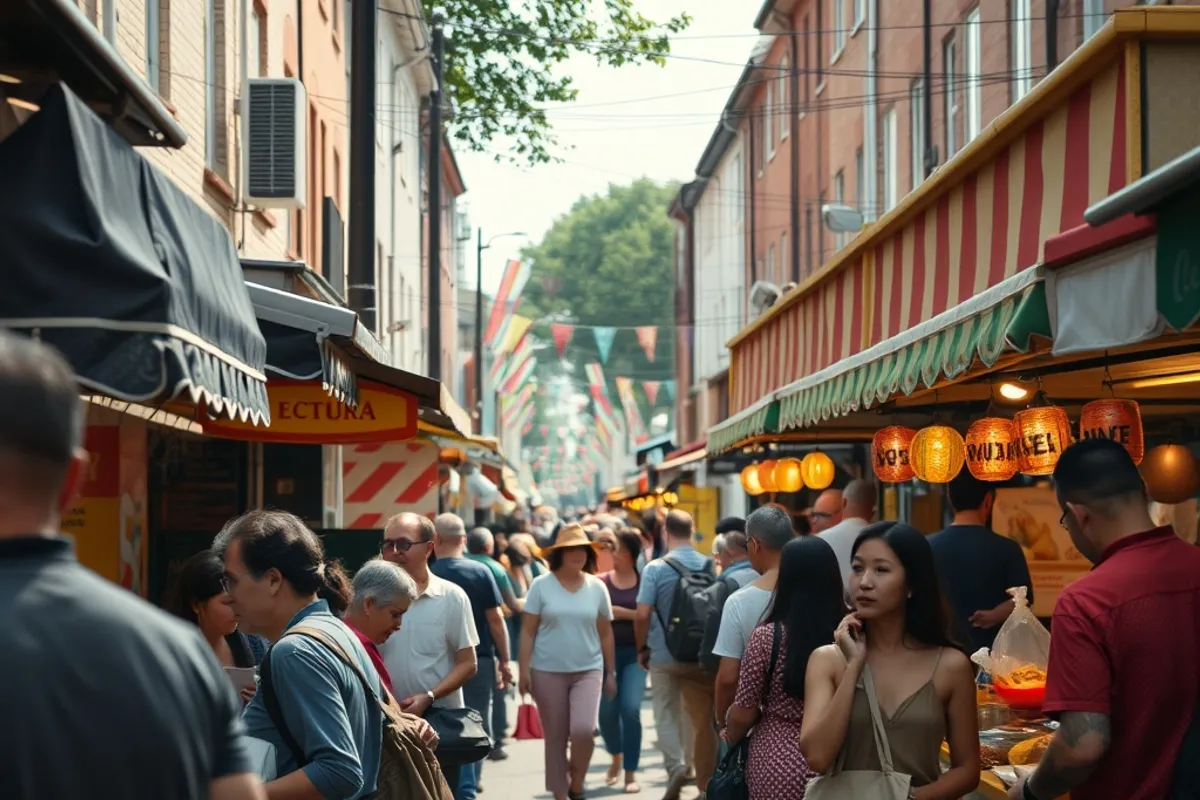
From big stages to small rooms
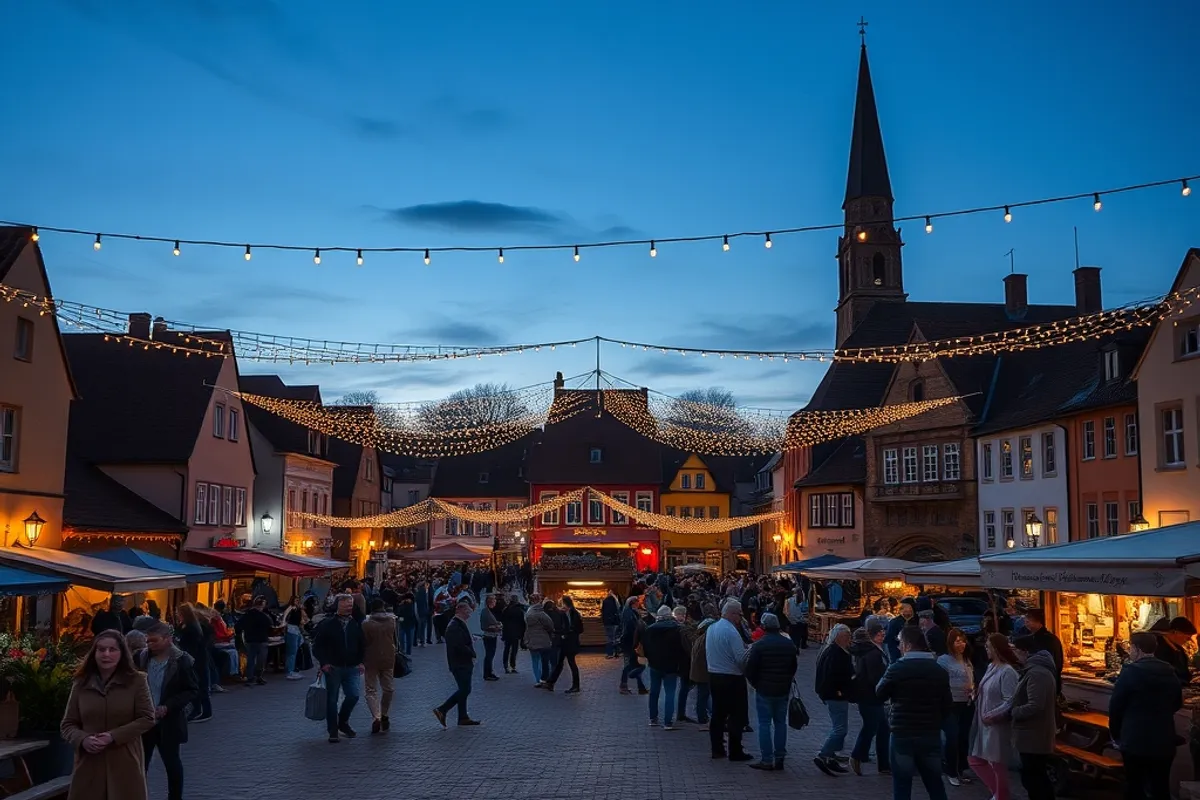
The familiar festival image is a field, a main stage and a crowd. In 2026, more of the interesting work happened in libraries, courtyards and closed-off side streets. These spaces cost less to run and fit the budgets that cities actually have.
We looked at published programmes from several mid-sized cities and compared them with local cultural policy statements. The shift is visible in the ratio of free events to ticketed headline acts.
The budget changed the programme
With public funding under pressure, organisers cut the expensive elements first: large stages, foreign bookings and elaborate staging. Money moved toward local performers, daytime workshops and venues that already exist.
That is not simply a story of decline. Smaller budgets can produce a programme that reflects the city rather than a touring circuit. The best events in our sample were the ones that made that virtue deliberate.
Permits are part of the art
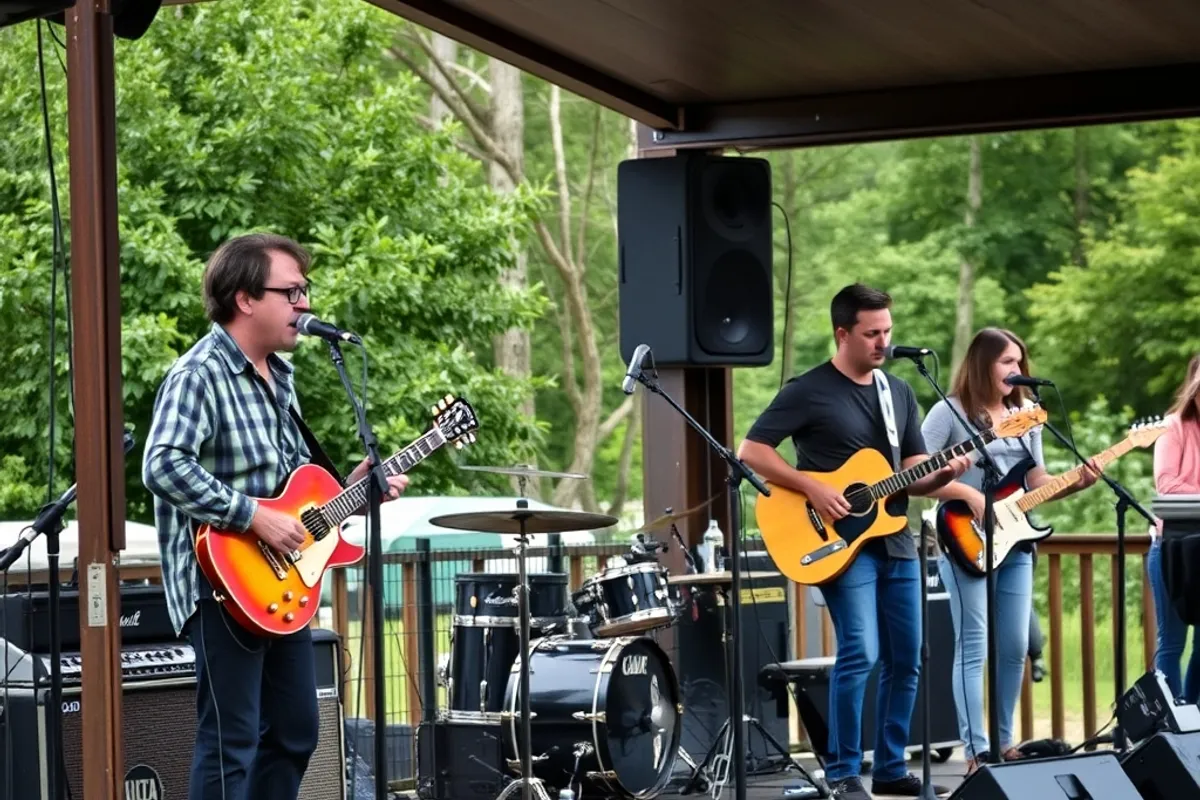
Noise limits, street closures and licensing hours decide what a festival can be. A programme built around a late finish can be cancelled by one permit condition, while a daytime event needs far less negotiation.
| Issue | Effect on programme | Typical response |
|---|---|---|
| Noise limits | Earlier finish times | Acoustic sets and indoors |
| Street closures | Fewer large gatherings | Processions and pop-ups |
| Licensing | Shorter bar hours | Food-led events |
| Public transport | Late crowd limits | Daytime scheduling |
The biggest festival decision is no longer who headlines. It is who gets to use the street.
Who attends now
Long-distance festival trips fell. Most attendees in our sample lived within an hour of the event and came for a single day rather than a full weekend. That changes the economics of a festival and its relationship with residents.
Local attendance also makes the event more accountable. If the programme ignores the neighbourhood, people notice immediately and say so.
Local artists got the room
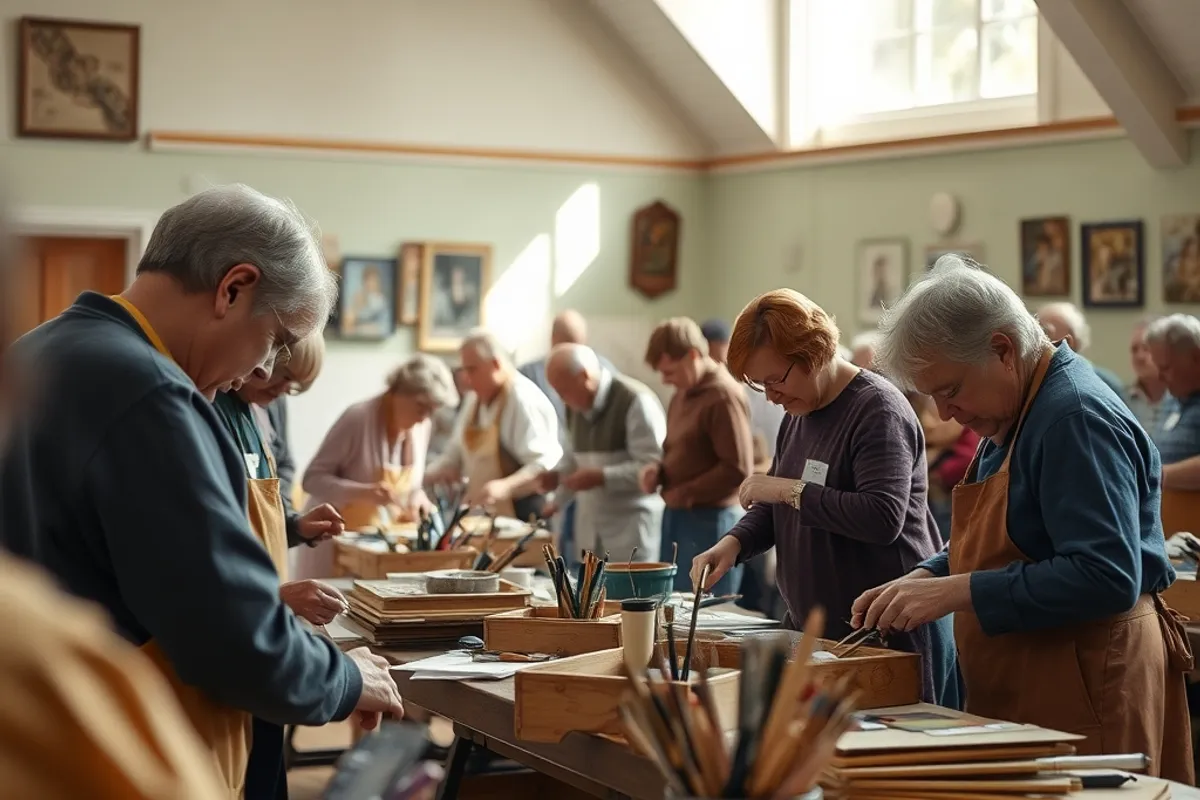
Smaller stages gave local musicians, writers and visual artists a larger share of the audience. Several programmes paired a known name with a local opener, which gave the smaller act a real audience rather than a token slot.
The strongest festivals published payment rates for artists. Where pay was transparent, organisers reported fewer last-minute withdrawals and better attendance from the community.
Public space is the real question
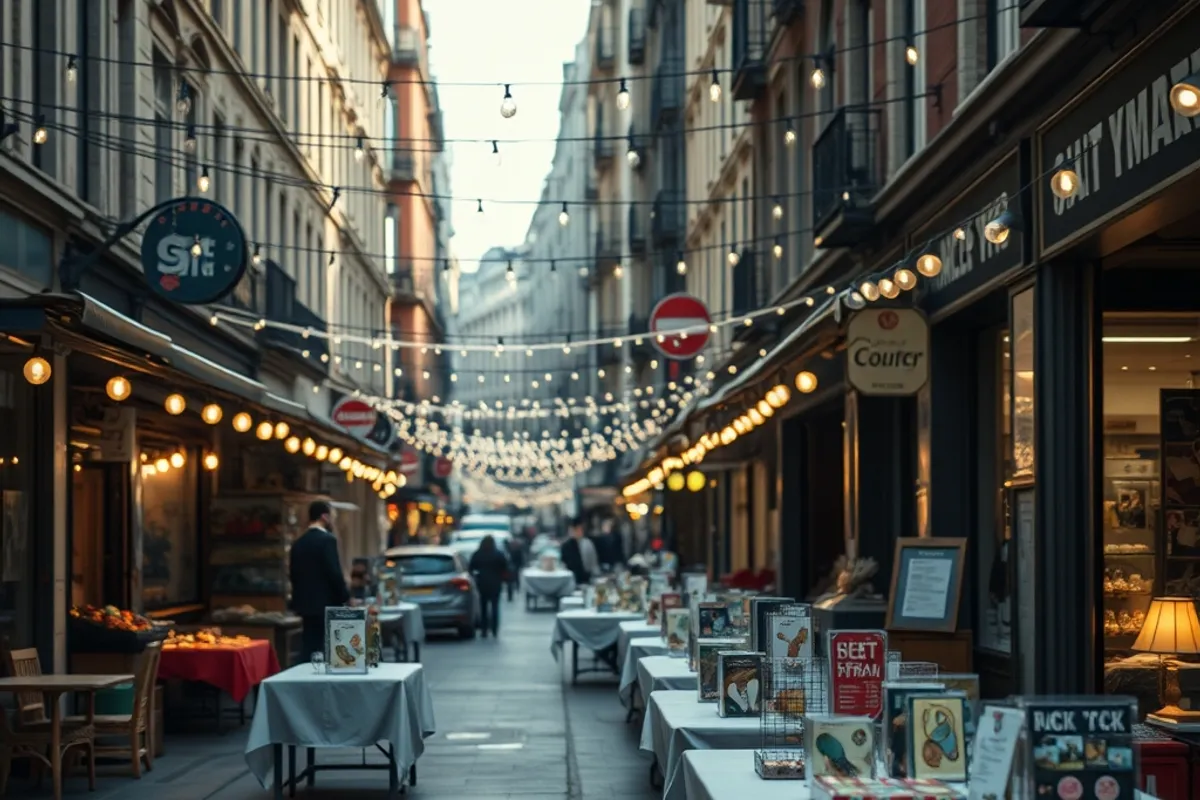
A festival temporarily decides who gets to use a street, a square or a park. That is a political choice even when the programme looks purely celebratory. Cities that planned early with residents had fewer disputes and better turnout.
Those that treated the event as a marketing exercise ran into complaints about noise, waste and access. The lesson is simple: ask the neighbourhood before you print the poster.
What comes next
The neighbourhood model is likely to spread because it is cheaper and easier to permit. The challenge is to keep it from becoming a smaller version of the same commercial circuit.
For the way audiences choose entertainment at home, see our streaming fatigue report. Both stories point to the same preference: an occasion with an end, shared with people nearby.