Where the rules actually changed
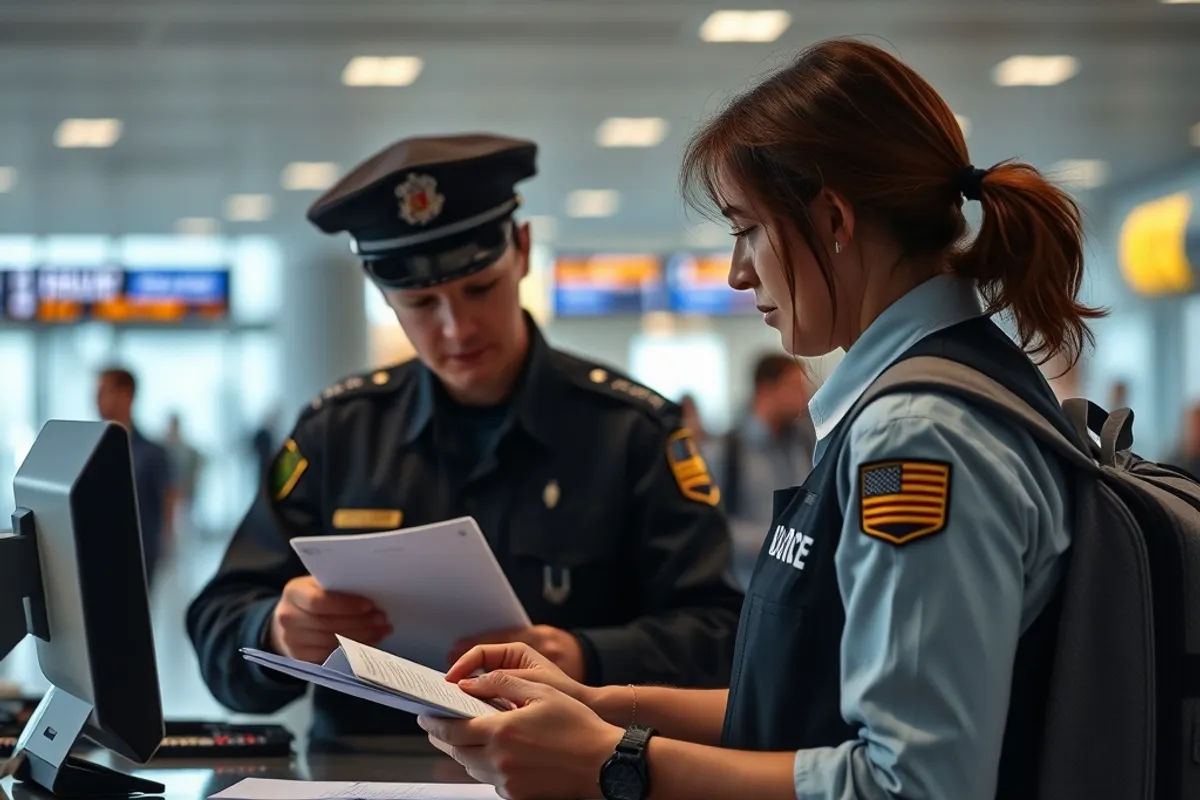
Most 2026 border changes were administrative rather than dramatic. Governments added pre-travel forms, tightened proof of funds and moved some checks to airlines and employers. The effect is cumulative: a trip that used to need one document now needs three.
We read the published rules in four jurisdictions and compared them with guidance from the International Organization for Migration. The pattern is consistent: fewer people are stopped at the physical border, and more are filtered before they leave home.
Short stays and the new pre-clearance
Digital pre-clearance shortens the queue at the desk but adds a step days before departure. Applications ask for accommodation, return tickets and sometimes proof of insurance. Errors are easy to make and can be hard to fix once a trip has started.
Keep an offline copy of every submission and screenshot the approval. Border systems go offline more often than travellers expect, and a paper fallback remains the only reliable proof in several corridors.
Work permits and employer checks
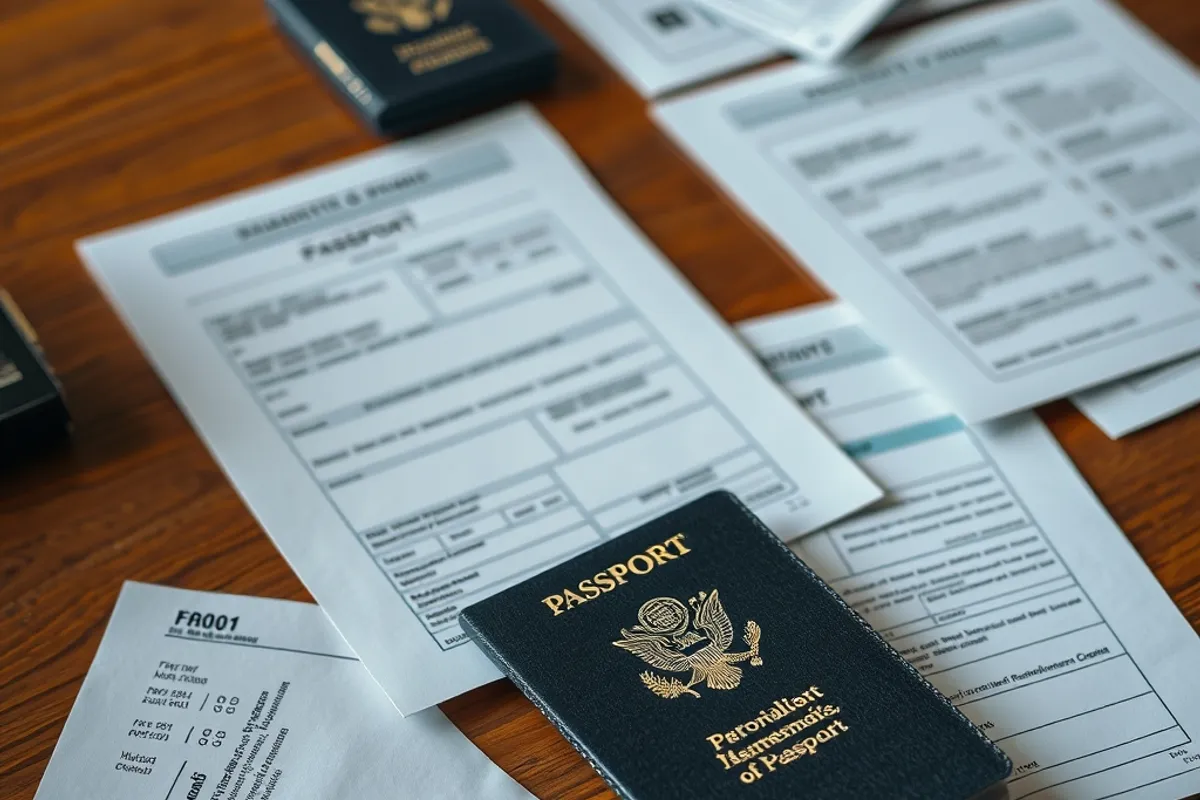
Employers now verify right-to-work status earlier in the hiring process in many sectors. That speeds up compliance for large firms but creates friction for small ones and for anyone changing employer mid-contract.
The practical effect is a longer gap between an offer and a start date. Workers should ask early which documents HR needs and whether a previous check can be transferred. The hiring picture in our business coverage shows how these delays feed into labour shortages.
A border rule is never just a line on a map. It is a stack of forms that someone has to carry.
Family cases carry the longest wait
While tourist waits fell slightly, family reunification files grew more slowly in 2026. Requested evidence expanded to include additional identity records and, in some cases, proof of ongoing contact over several years.
That is the human cost hidden in a policy headline. A rule described as a paperwork update can add months to a separation. Caseworkers we spoke to emphasised that complete applications move faster than incomplete ones, even when the complete file is larger.
Study routes and the proof of funds trap
Several destinations raised the savings threshold for student visas and asked for a clearer trail of where the money came from. A single large deposit shortly before applying now attracts more scrutiny than a smaller balance held over time.
Students should start gathering bank statements months ahead. Sponsors need to document the source of funds, not just the transfer. This is one area where the stated rule and the practical evidence demanded are not the same thing.

Who carries the new workload
Shifting checks upstream does not remove work; it moves it. Airlines verify documents at check-in, employers verify status before onboarding, and universities verify finances before enrolment. Each has an incentive to be cautious, which means more requests for extra proof.
For the people at the counter, the result is a quieter border and a busier inbox. For a wider view of how institutions absorb new rules, see our election coverage on policy mandates.
A short checklist before you go
Check the official government page for your exact route, not a summary site. Save digital approvals offline. Carry the paper documents named in the rule even if the portal says they are optional. Allow an extra week for any case involving family or employment.
Border policy will keep changing, but the habit of verifying at source does not. It is the cheapest insurance against a rule that changed quietly while you were planning.